



Snake sightings around homes are becoming increasingly common across Nigeria — from major cities like Lagos and Abuja to farming communities in Kano, Ibadan and oil-producing areas such as Port Harcourt.
But why are snakes coming closer to Nigerian homes? And where exactly do they hide?
Contrary to popular belief, snakes do not seek out humans. They are quiet, cautious animals looking for three basic things: food, shelter, and suitable temperature conditions. Many homes and gardens unintentionally provide these.
What Attracts Snakes to Homes in Nigeria?
1. Rodents and Food Waste
Poor waste disposal attracts rats and mice, especially in densely populated areas. Snakes follow these rodents as a primary food source. Open dumps, uncovered bins, and food scraps left outdoors increase the chances of snake activity.
2. Overgrown Compounds and Bushy Surroundings
During Nigeria’s rainy season, vegetation grows rapidly. Tall grass, thick shrubs, and untrimmed hedges provide excellent cover for snakes to move unnoticed. Abandoned plots, undeveloped estates, school fields, and farm edges are common risk zones.
3. Seasonal Weather Changes
Nigeria’s dry and rainy seasons strongly influence snake movement.
- Dry Season: Intense heat drives snakes to cooler, shaded areas such as garages, under staircases, storage spaces, and beneath buildings.
- Rainy Season: Flooding in certain regions forces snakes out of burrows, sometimes into homes and higher ground.
Temperature extremes push snakes to search for stable shelter.
4. Water Sources Around Homes
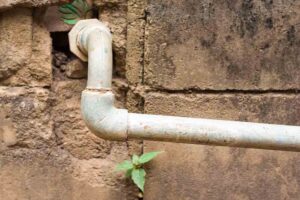
Leaking taps, open drains, fish ponds, irrigation systems, and standing water attract frogs and insects. Snakes follow this food supply. In many Nigerian homes where water storage tanks are common, shaded tank bases can also provide shelter.
Common Snake Hiding Spots in Nigerian Homes
Snakes prefer places that provide protection, stable temperature, and access to prey. They rarely stay in open areas for long.
Wood and Building Material Piles
Stacks of firewood, roofing sheets, cement blocks, and leftover construction materials create insulated hiding spaces. Rodents often nest in these areas, making them attractive to snakes.
Tall Grass and Dense Vegetation
Overgrown lawns and thick ground cover allow snakes to move unseen, especially in the early morning and evening. Fences lined with shrubs or creepers can also provide hidden pathways.
Drainage Systems and Gutters
Open drainage channels offer moisture and shade. They can serve as movement corridors into compounds, particularly at night.
Under Water Tanks and Generators
Many Nigerian homes have raised water tanks and generator areas that create cool, shaded spaces. These spots can become resting places during extreme heat.
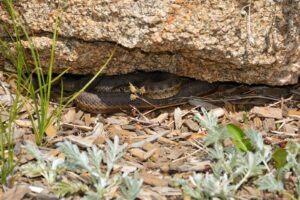
Cracks in Walls and Foundations
Gaps in fences, unfinished buildings, foundation cracks, and broken vents provide easy access. If a small animal can pass through an opening, a snake likely can as well.
How to Snake-Proof Your Home in Nigeria
Snake-proofing means reducing conditions that attract them.
Keep Vegetation Under Control
- Trim grass regularly
- Prune shrubs near walls
- Clear nearby abandoned plots where possible
Remove Shelter Opportunities
- Store firewood off the ground
- Arrange building materials neatly
- Dispose of debris
Seal Entry Points
- Repair cracks in walls and foundations
- Install mesh over drains and vents
- Ensure doors close tightly without gaps
Control Rodents
- Use covered dustbins
- Store food securely
- Keep compounds clean
Manage Water Sources
- Fix leaking pipes
- Prevent stagnant water
- Maintain proper drainage
Understanding Snakes in Nigeria
Nigeria is home to both venomous and non-venomous species, including the Black mamba, Puff adder, and African rock python.
Most snakes avoid confrontation. Bites usually occur when a snake is stepped on, cornered, or deliberately provoked. Snakes also play an important ecological role by controlling rodent populations.
As urban development expands and natural habitats shrink, encounters with wildlife may increase. However, with proper sanitation, vegetation control, and structural maintenance, households can significantly reduce unwanted snake visits.